The new rules of brand collaborations: why "weird" partnerships are working (and how to make yours count)


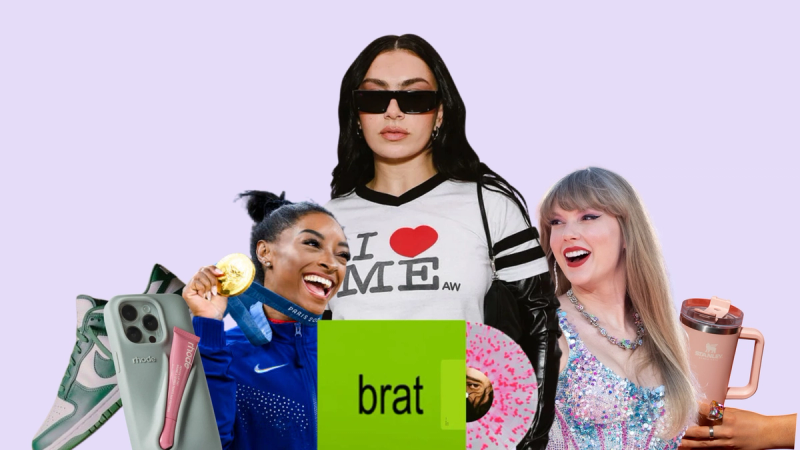
Brand collaborations are everywhere right now. Skims and Nike. Taco Bell and Cheez-It. McDonald's and Travis Scott. On paper, many of these partnerships may sound bizarre, but in reality, they've become cultural earthquakes that reshape how we think about brand relevance.
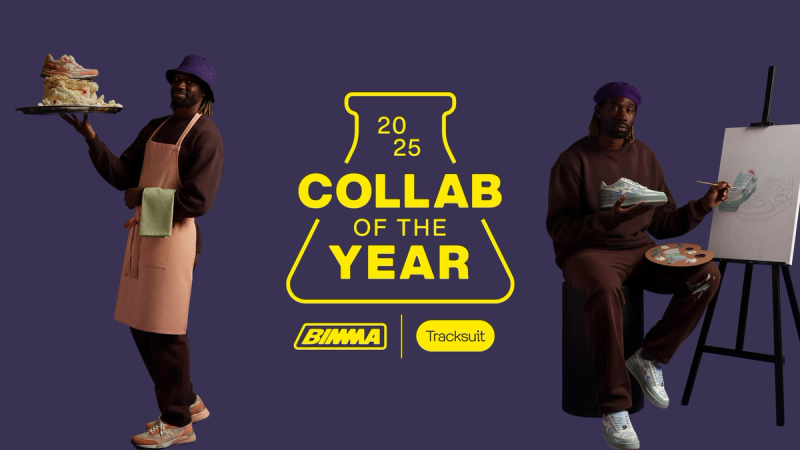
Check out the 2025 Collab of the Year report, opens in new tab.
So what separates a collaboration that creates genuine heat from one that's just marketing theater? We sat down with Suzanne Powers and Jennifer Breithaupt, the powerhouse duo behind All&, a strategic advisory firm that specializes in bringing brands together, to find out what's actually working in 2025, and what marketers need to know before they jump into their next partnership.

Suzanne (left) and Jennifer, the powerhouse duo behind All&
From spectacle to proof: what's driving the shift
According to Tracksuit's 2025 Collab of the Year report, opens in new tab, we've moved from the age of spectacle to the age of proof. Collaborations now need to demonstrate genuine conviction rather than just big budgets and flashy press releases.
Suzanne and Jennifer are seeing this firsthand. "When two brands come together – and we think of brands loosely as everything from companies that make products to human brands like creators – there's this moment where you think, 'I'm not sure these two things go together,'" Suzanne explains. "But when it works, they make for exponential impact for both sides."
The shift is being driven by a few key factors: consumer skepticism, the oversaturation of collabs that feel forced, and the rise of the creator economy. Brands can't just throw two logos together anymore and expect applause. Audiences want to understand why these partnerships exist and what value they're actually getting from them.
Strategic partnerships vs. marketing theater: one question that changes everything
So how do you know if you're building something real versus just creating noise? Jennifer has a simple litmus test she uses with clients:
"If the partnership disappeared tomorrow, would your customers or business performance actually feel it?"
Strategic partnerships are founded on real, measurable business goals: new revenue streams, expanded audiences, product innovation, long-term value creation. They have depth. Marketing theater, on the other hand, is optimized for social buzz and PR. It's time-limited, vanity metric-driven, and rarely tied to strategic business goals.
Jennifer says think of it this way: strategic partnerships change what your customers are able to do (utility). Marketing theater just changes what they see on their social media feeds for a week (attention).
Getting the foundations right: shared purpose over assumed alignment
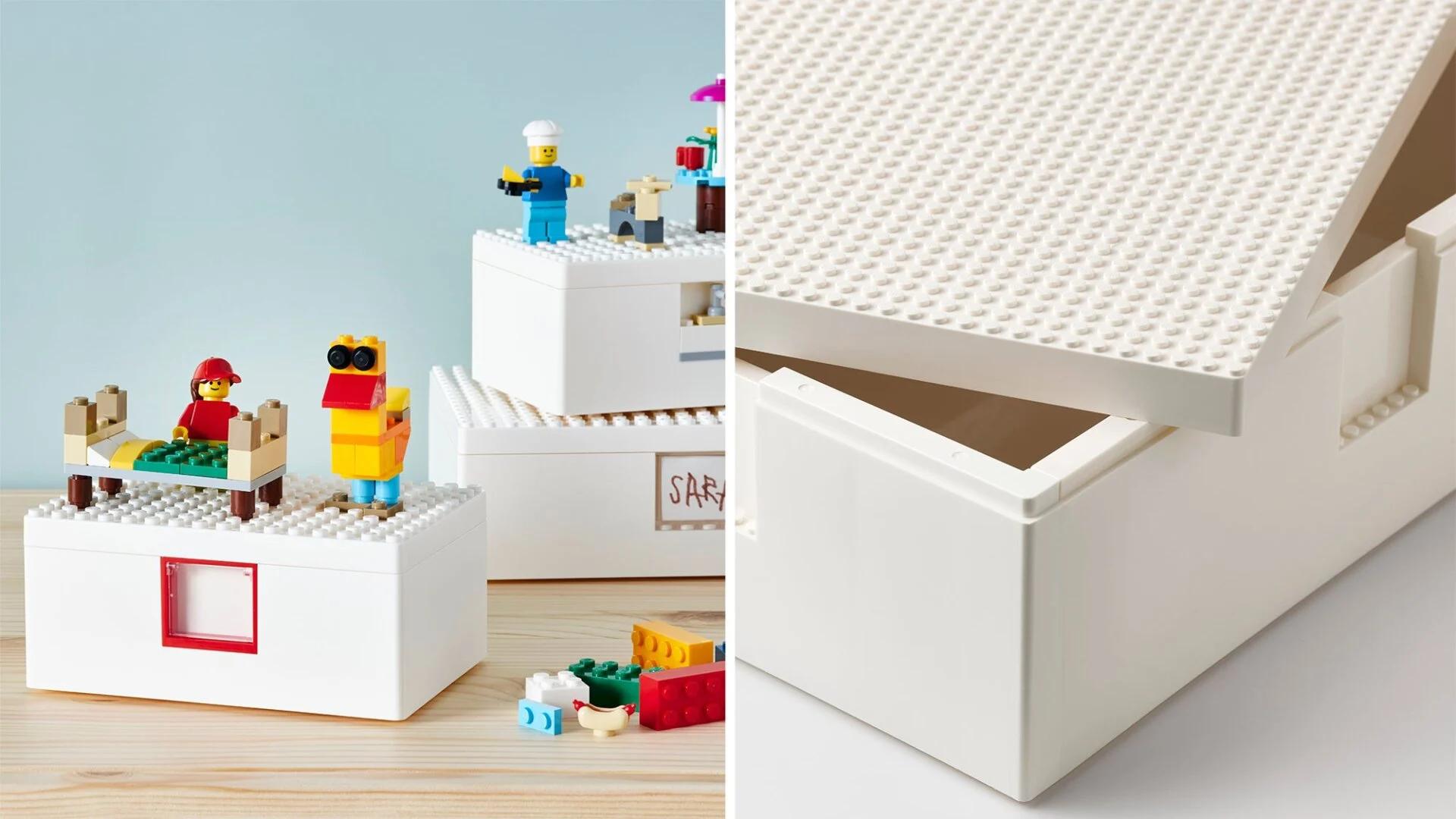
The IKEA x Lego brand collaboration
Here's where most collaborations go wrong: brands assume their values align without explicitly articulating them. Jennifer recommends running a joint purpose and values workshop early in the process, where each party brings their mission, brand values, customer purpose, and long-term strategic priorities to the table.
"The goal is to reveal where values align or where they clash," she says. "A red flag is if your whys don't converge. The partnership will feel forced – not just to you, but to customers and consumers alike."
Once you've established that foundation, ask yourself:
- Who are our customers, and do we have overlap?
- What can we do together that makes their lives better?
- What does this other brand offer me, and what do I offer them?
- What does success look like, and how will we measure it?
If you can't answer these questions clearly, you're probably not ready to move forward.
Who needs to be in the room?
This is critical: don't relegate collaboration planning to just the marketing team. You need multiple stakeholders involved from the beginning – legal, finance, product, insights, agency partners. Yes, it might feel like death by committee, but it's far better than forcing something at the end when you realize it doesn't actually fit.
"The more people you involve early on who co-architect these programs before you get into creative ideas, the better," Jennifer notes. "That's how you make sure the right fit is there. Partnerships fail when you're not doing the foundational work with all parties in the room."
And crucially: involve the risk-averse stakeholders early. Jennifer says great brands that excel at partnerships don't magically have fearless legal teams – they've just done the work to build structure and processes that make bold collaborations feel safe.
When "weird" works: the framework for unexpected cultural heat
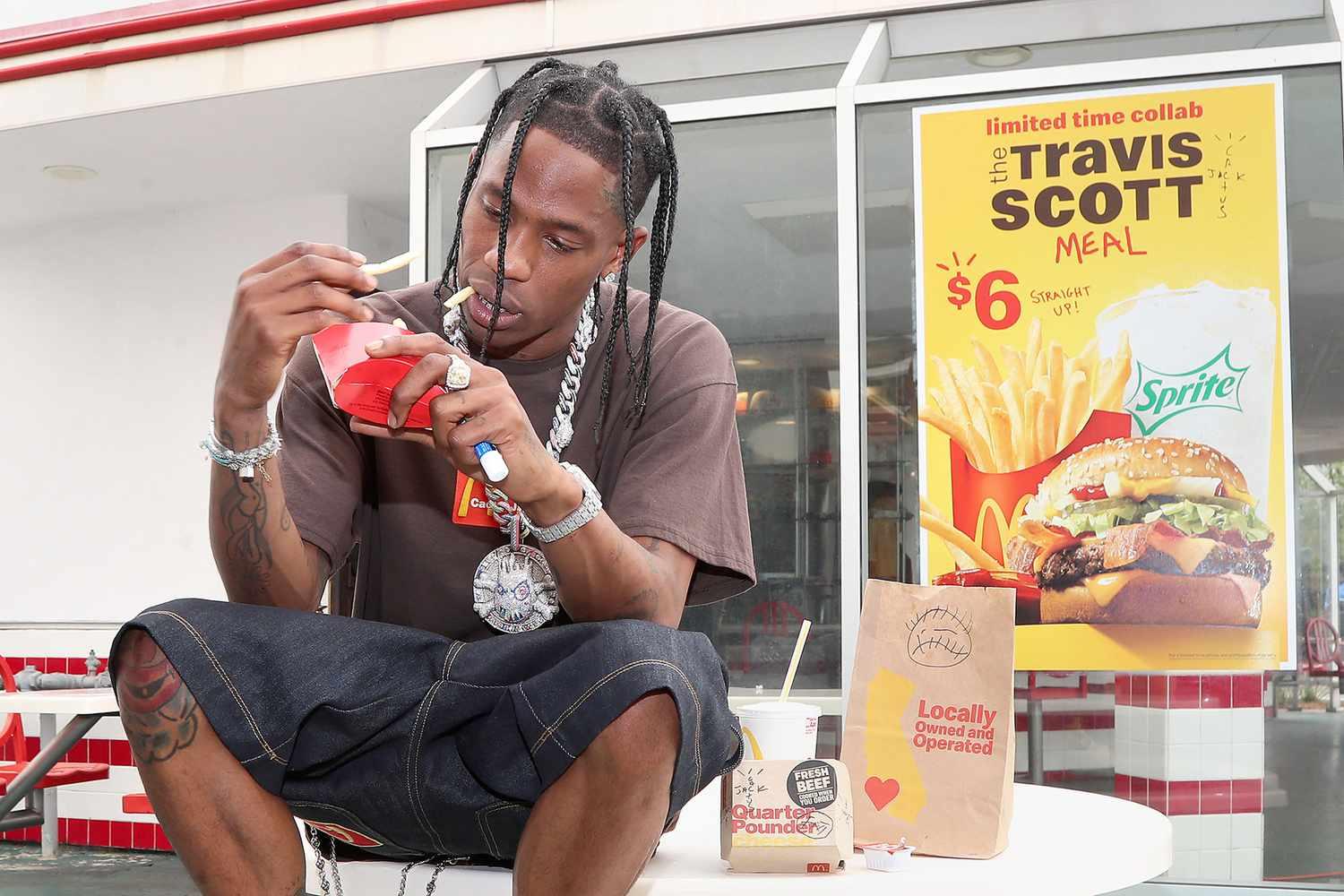
The McDonald's x Travis Scott brand collaboration
Some of the most interesting collaborations happen when brands cross unexpected boundaries. But what's the difference between a partnership that creates cultural heat versus one that's just random for randomness' sake?
Jennifer breaks it down: collaborations that work amplify a shared truth, tap into a live cultural tension, create a narrative people want to spread, and most importantly, each brand stays itself.
Take McDonald's and Travis Scott. On paper? Weird. In reality? A cultural earthquake that reconnected McDonald's with Gen Z and revived their menu's cultural relevance through a familiar access point. Travis didn't invent a new product – the Cactus Jack Meal just reframed McDonald's existing menu to make the old feel new, without operational complexity.
That's purpose-driven weirdness, translated into cultural heat.
But Suzanne offers an important filter to use before you jump into something unexpected: "Am I doing this to buy or borrow interest as a brand because I don't have it myself?" It's okay to buy into an audience or borrow interest from another entity, but not if it's so off-brand that people will reject it.
The magic happens when something is true to your brand but also surprises people a little.
Think like a portfolio manager
If you're a big brand running multiple partnerships, you should think about your collaboration strategy as a portfolio the same way investors balance risk across assets.
Jennifer recommends breaking it down like this:
Heritage/Core Partnerships (40-50% of your portfolio): These reinforce your brand truth, credibility, and consistency. Think Lego and Star Wars. This is your stability layer.
Relevance Partnerships (30-40%): These keep you culturally warm and fresh. They maintain momentum and help you stay in the conversation.
Breakthrough Experiences (10-20%): Your swing-for-the-fences partnerships that drive cultural heat and shift perceptions. Think Crocs and Balenciaga.
Future-Building Partnerships (10-20%): These build your brand's new frontier and take your business to the next level.
The key is balance. Don't skip the foundational work and jump straight to the messy middle trying to be trendy. And remember: there's test-and-learn involved. Watch what takes off, reallocate resources, and be ready to adjust, reiterate and respond to the market.
Looking ahead: the opportunity for 2026
Where do the biggest opportunities lie in the year ahead? According to Suzanne and Jennifer: everywhere: if you do it right.
Heritage brands that need new relevance? Check. Established brands fighting commoditization? Absolutely. Emerging brands trying to break through? Yes, yes, and yes.
"If you get the fundamentals right, align properly, and do it the right way, you really can't go wrong," Suzanne says. And with margin pressure, sameness, and AI reshaping the competitive landscape, consumers need reasons beyond price to choose you.
Jennifer's advice for 2026? "Build partnerships that unlock new customer behaviors, not just audiences. The collaborations that matter aren't going to be the ones that just get attention – they're going to be the ones that change behavior. Prioritize utility over visibility."
The next wave of collaborations needs to chase usefulness, not just attention.
Suzanne Powers and Jennifer Breithaupt are the co-founders of All&, a strategic advisory firm that helps brands, creators, and companies build high-impact collaborations. Tracksuit is partnering with All& on new research exploring the effectiveness of brand collaborations, set to launch in 2026. Stay tuned.