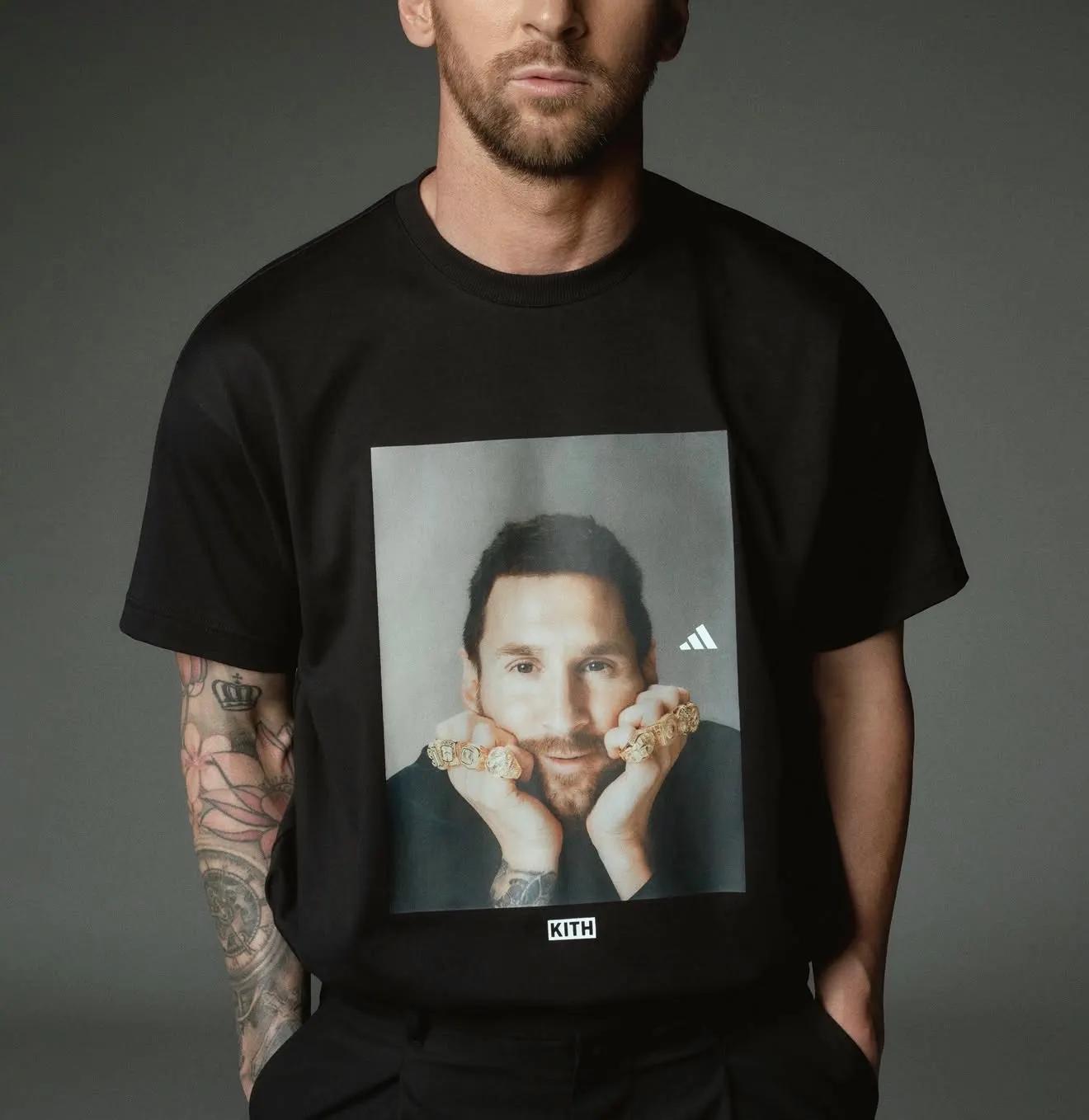
A teaser from Ana Andjelic's latest essay for The Sociology of Business, with data from Tracksuit.
Back in 2022, there were rumours that LVMH was about to buy AC Milan. Antoine Arnault denied them and instead founded 22 Montaigne, an entertainment arm for the conglomerate. Because, really, what is the difference? Sport is entertainment. Entertainment is IP. And LVMH is, above all else, in the IP management business.
As Ana Andjelic argues in her latest piece for The Sociology of Business, not buying AC Milan might have been the most expensive non-decision in luxury history.
Look at how LVMH's 2024 Paris Olympics sponsorship worked. It attached the house to a single global event watched by billions. A blockbuster, but structurally one piece of IP.
The World Cup is 48.
Forty-eight national teams, each a self-contained franchise with its own history, visual codes, fan mythology, anthems and cultural gravity. National colours, crests, recognisable design language, and a deeply human story of hardship and glory built up over decades. An entire archive waiting to be licensed.
Some brands have already noticed. Loewe is dressing Spain's national teams off the pitch through 2030. Nike teamed up with Jacquemus on an all-blue, chalk-striped prematch jersey for France, and with Palace on an England varsity jacket fronted by a campaign film of Wayne Rooney reciting Shakespeare in an Elizabethan ruff.
The pattern echoes streetwear's two-decade climb from subculture to the first Louis Vuitton x Supreme. Only this time the ascent is far quicker. As Andjelic puts it, the soccer jersey is the new logo t-shirt.
And the bet underneath it all is a long one. A football club already has what most brands spend decades trying to build: merch, collaborations, belonging, events, content and a genuinely passionate fan base, all feeding one endless flywheel.
What the tracking shows
This isn't just an aesthetic hunch. Tracksuit's US data on national sports leagues makes the shift hard to argue with.
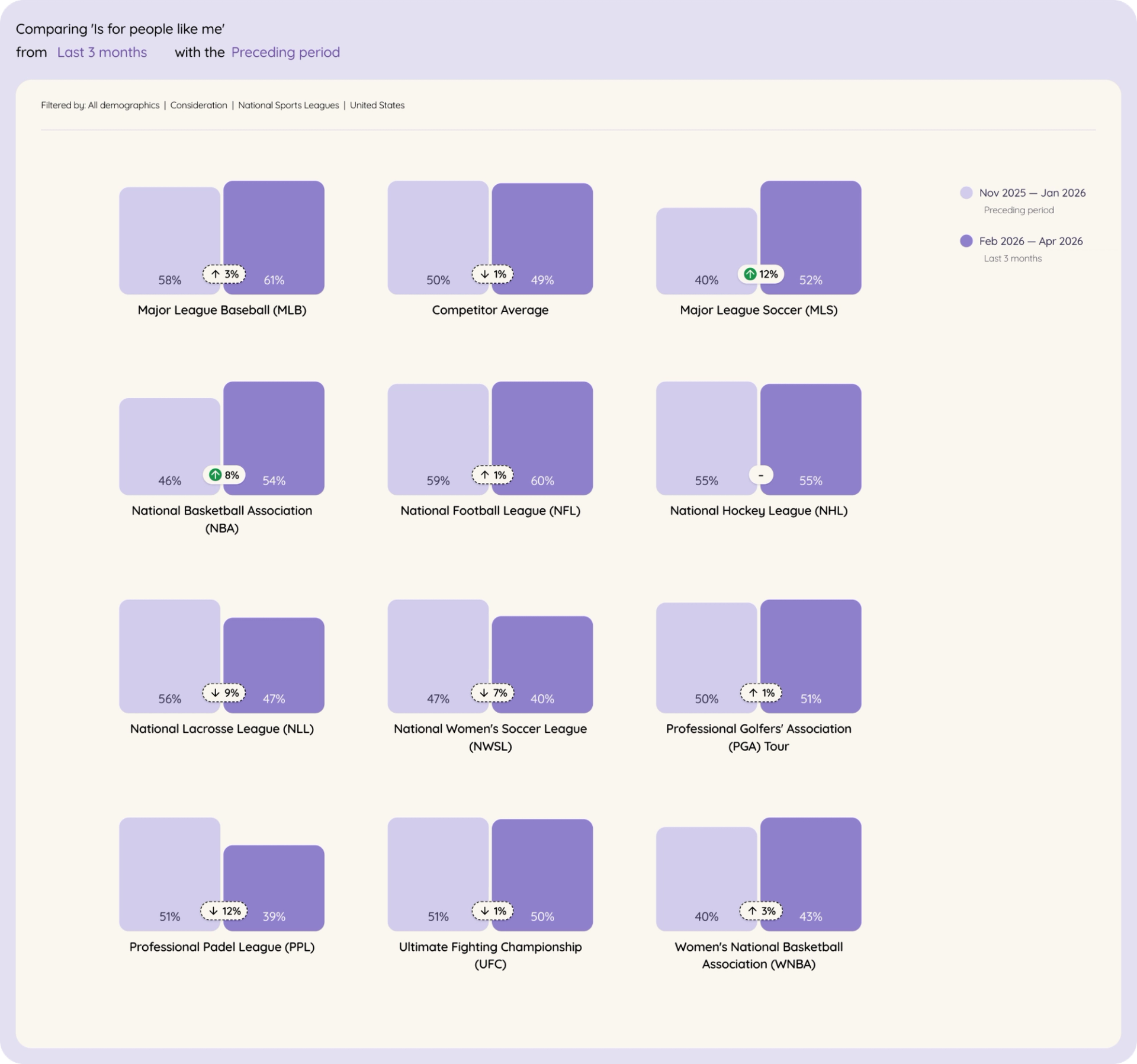
In the three months to April 2026, Major League Soccer (MLS) was the single biggest mover on "is a brand for people like me" for those who consider the sport, jumping 12 points to 52%. The only other league to come close was the NBA (up 8 points), and the category average remained stable.
That momentum is landing exactly where fashion lives. Broad awareness of MLS still skews older, but the people who say they'd prefer it are young and male: 70% male, with 25 to 34-year-olds the largest age group of all. It's the streetwear demographic, wearing its allegiances.
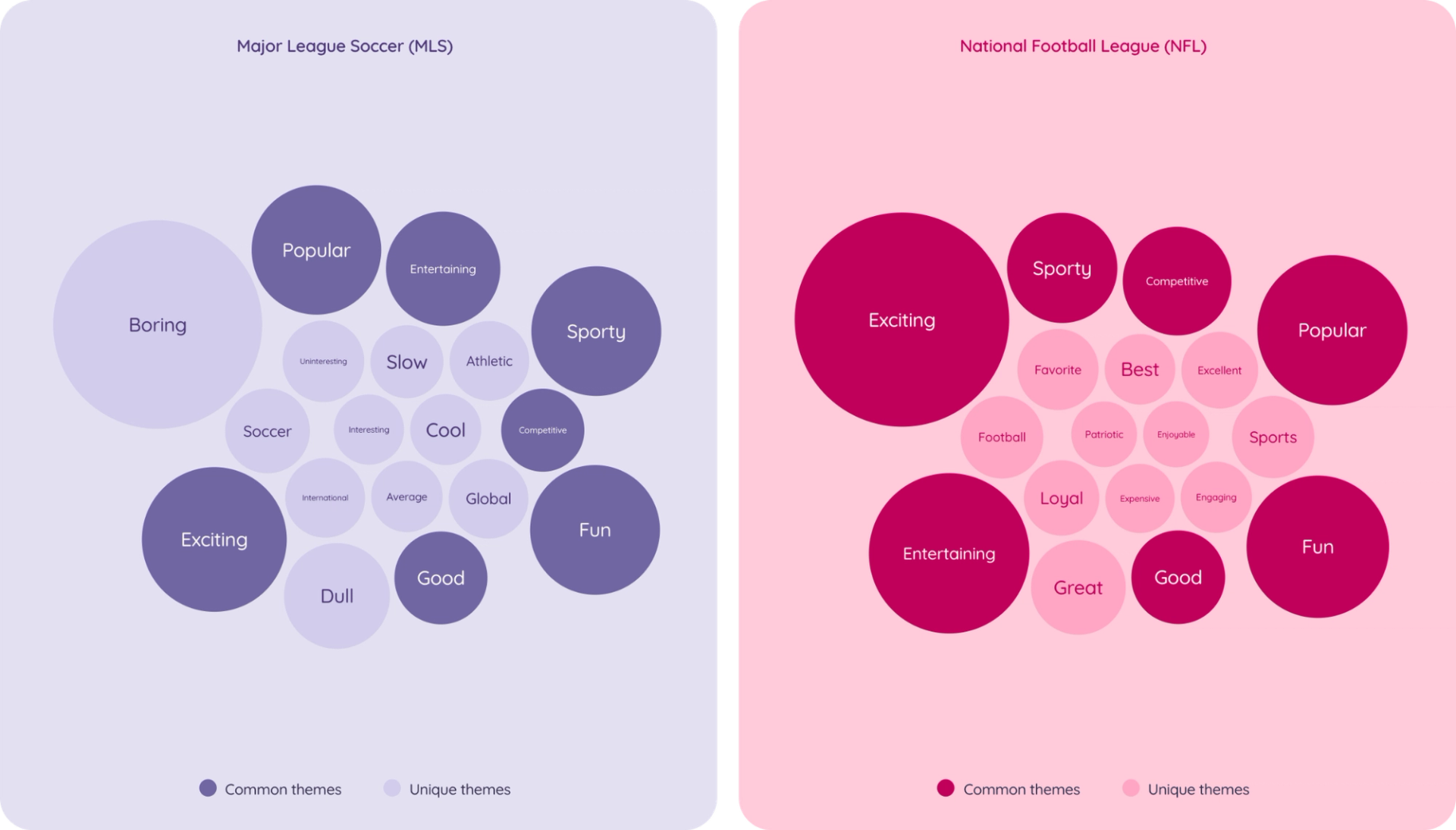
There's still a perception gap, and that's precisely the opportunity. MLS already reads as popular, exciting and cool, even as "boring" and "slow" linger. That gap is the runway an aspirational brand association is built to shorten.
The headline: soccer's cultural stock is climbing fastest among the audience brands most want to reach, and it's climbing now.
Andjelic's full essay unpacks why this is a durable equity play rather than a one-off fashion-sport moment, and what it means for any brand betting on its own future cultural relevance.
Read the full article on The Sociology of Business, opens in new tab