Nine nostalgia habits that smart marketers use
Written by

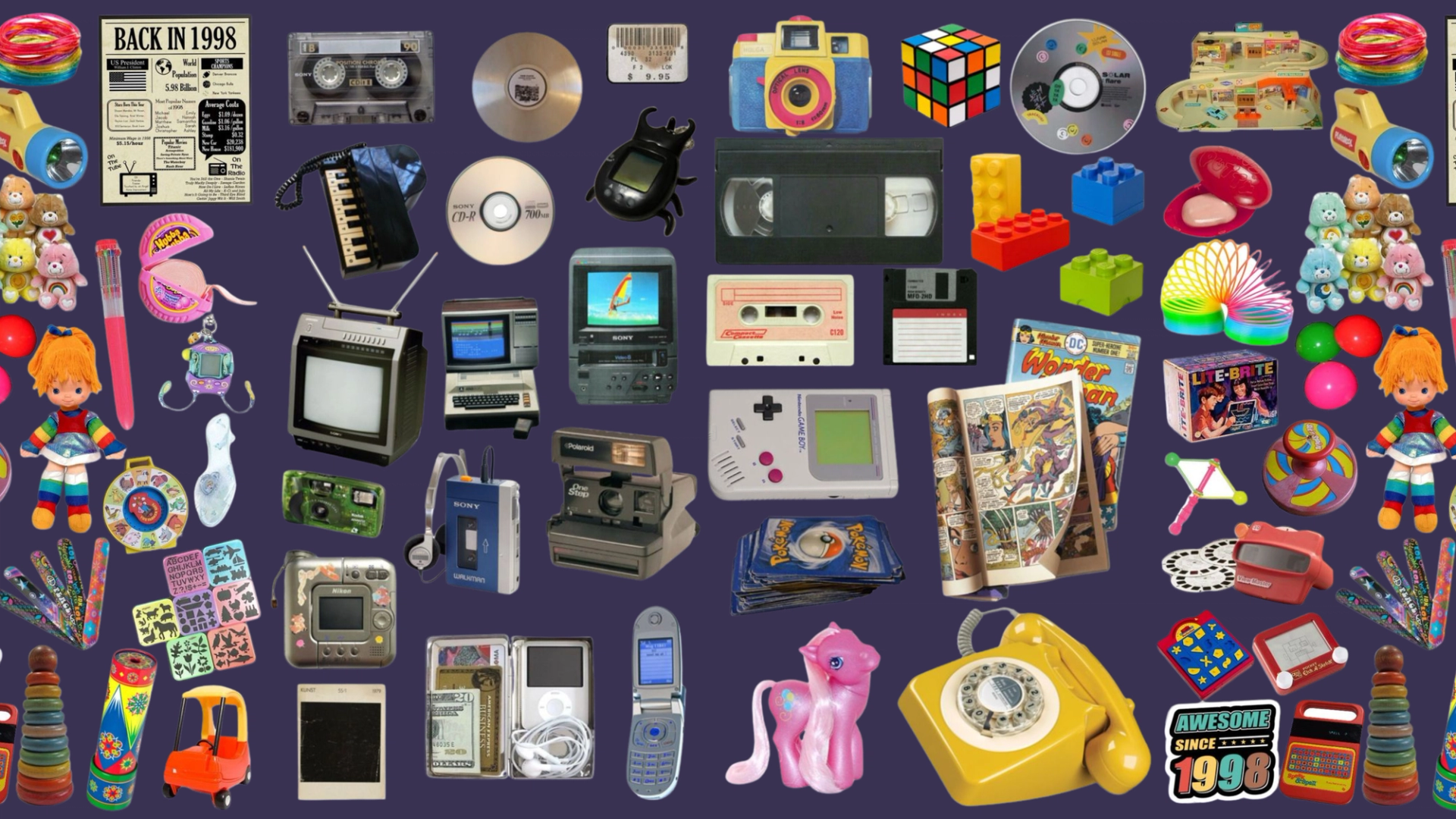
Nostalgia is having a moment. Again. Obviously.
But here's the thing most brand playbooks miss: nostalgia isn't just a creative trend to chase — it's one of the most misunderstood strategic tools in marketing. Used well, it builds instant cultural credibility and emotional resonance. Used lazily, it's just an expensive fancy dress.
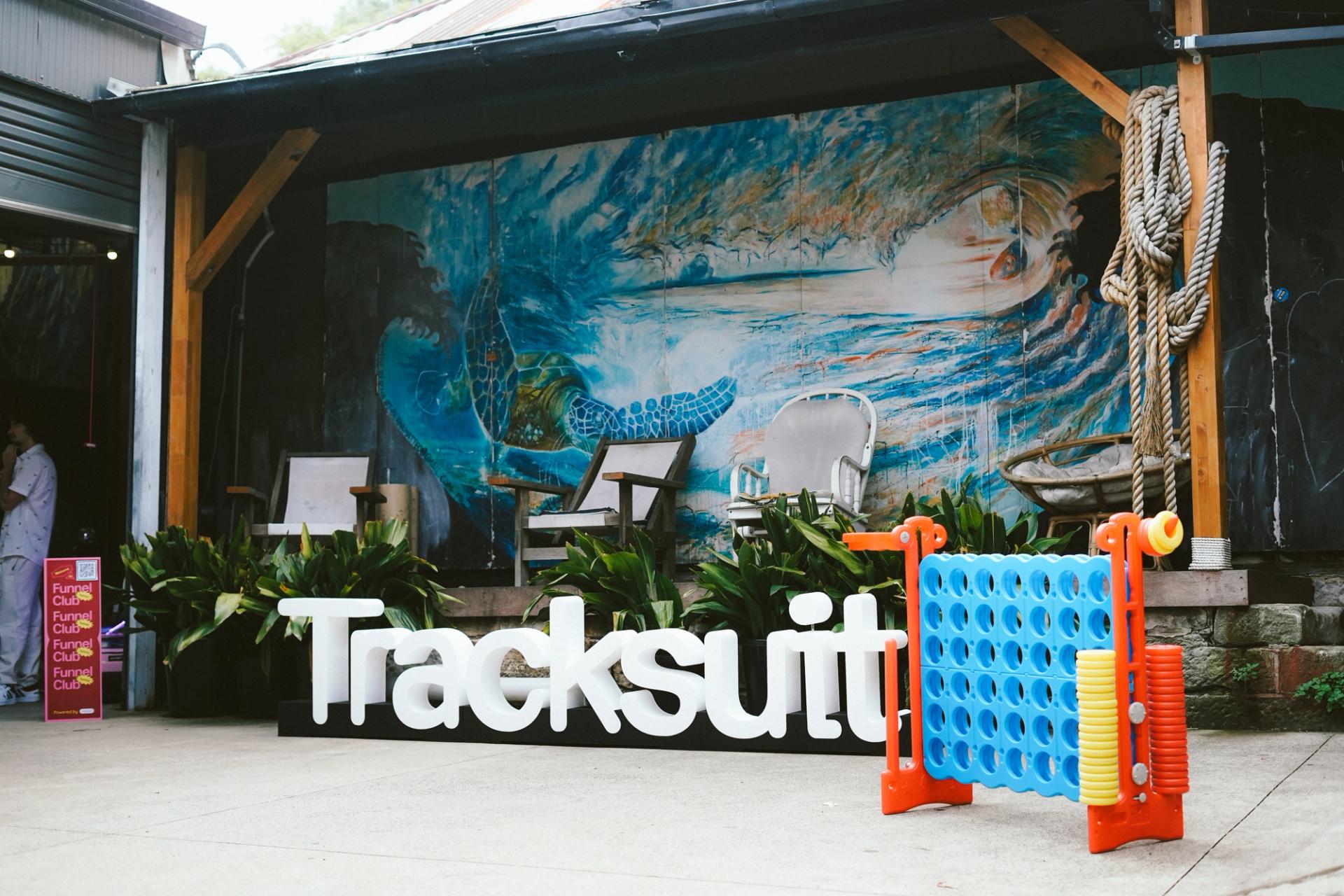
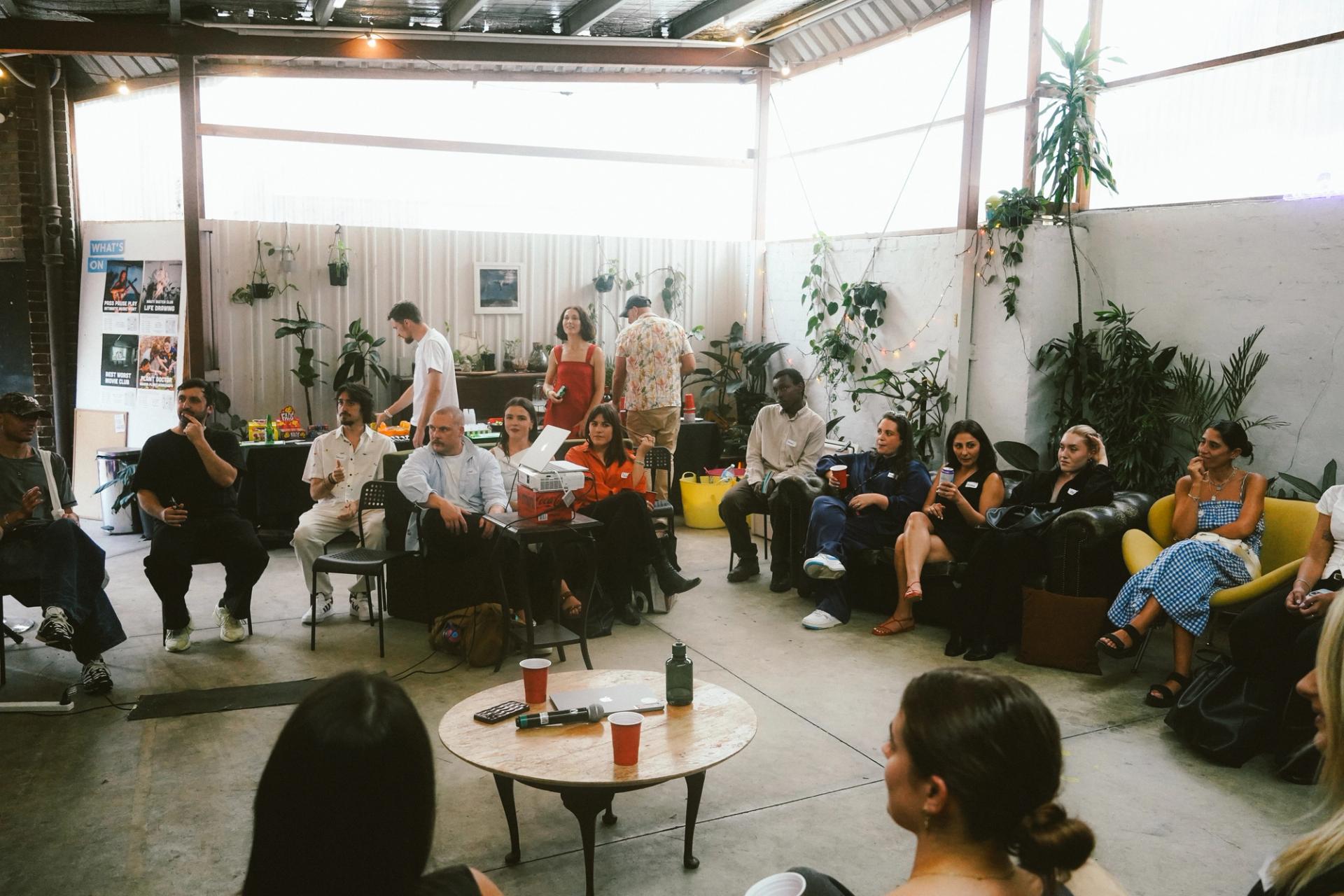
At our latest Funnel Club — a gathering of Australia's sharpest strategic thinkers — we pulled nostalgia apart to figure out what actually works, what's a trap and what separates brands that own a moment from brands that just borrow one.
Here are nine good habits straight from Funnel Club, brought to you by our co-host Craig Page.
Understanding nostalgia in culture 🎭
1. Escapism into the Past and Future.
Nostalgia isn’t just us being grumpy boomers-at-heart wishing for the "good old days." It’s a survival tactic. We look backward to find the spark for what’s next, using the past as a springboard to leap into a more inspired future.
2. Technology-Driven (For Better or Worse).
Tech is a double-edged sword. On one hand, we can resurface niche cultural gems to share and remix them like never before, but on the other hand, AI is becoming the ultimate "Greatest Hits" playlist; it leans on what already exists, which risks turning our culture into a loop of familiar reruns rather than something genuinely fresh.
3. A Way to Connect.
In an era where everyone is siloed in their own hyper-targeted algorithm bubble, nostalgia is a cultural meeting point. It’s a shared language and reference pool that allows us to reconnect in a fragmented world.
Using nostalgia as a brand tool 🛠️
4. Silly with a Safety Net
Nostalgia can be seen by brands as "de-risked creativity." It’s the ultimate hack: you get the attention-grabbing fun of a retro trend, backed by the comfort of knowing it’s already been "market-tested" by history. As the Tracksuit data confirms, we love what we know. It’s a creative playground for us and a weighted blanket for the data-driven stakeholders.
5. Distinctiveness Dangers.
Be careful not to drown in someone else’s pool. If a brand leans too hard on borrowed cultural tropes, they risk disappearing into the aesthetic. If people remember the 90s reference but forget your brand, you’ve just paid for a very expensive trip down someone else’s memory lane.
6. Reluctance to Retrospect.
There’s a fine line between being "heritage" and being "haggard." Many brands are terrified of looking old-fashioned, but the secret sauce lies in the distinction: don’t just rot in your history—play with the aesthetic of the past to stay relevant in the present.

Making nostalgia work in practice 🎨
7. Distinctive Nostalgia.
Don’t just focus on THE past, focus on YOUR past. Dig into your own archives. Consider the specific role your brand played in culture back in the day, or your brand’s iconic old assets and classic ads, to create nostalgia that literally no one else can claim.
8. Nostalgic Positioning.
Treat your positioning like a vintage find. Look at the core values your brand stood for in the "good old days" and imagine how you might behave if you more boldly exhibited them today.
9. Nostalgic Creativity.
Don't just hit "copy-paste" on old trends and fashions. Remix them. Adapt, transform, and mess with the past to give your brand a relevant perspective and strong point of view that looks towards the future.
The pattern across all nine habits: Nostalgia works when it's distinctive, intentional, and rooted in something real—your brand's actual history, not just cultural trends.
The difference isn't the era you choose. It's whether you're borrowing references, or building on your own. One gets you temporary attention, the other builds lasting brand equity.
These takeaways came out of Funnel Club. If you’re an agency Strategist who enjoys high-level thinking and low-level snacking, don't miss the next one. Sign up for the Funnel Club mailing list, opens in new tab to stay in the loop, or come hang out with the rest of the over-thinkers in the Strategists Anonymous WhatsApp community, opens in new tab.