The FIFA World Cup has proved that while sponsorship of a big cultural moment is great for increasing awareness and building cultural credibility, it’s not always enough to rely on. Levi’s proved you can still win attention without needing to splash that sponsorship cash.
- The FIFA World Cup 2026 was a great opportunity for brands to show up – according to Tracksuit data, 39% of US adults say they were planning to watch it. That’s approximately 99.8 million adults.
- However, Levi’s capitalized on their years of brand building by turning their covered up logo into a real marketing moment.
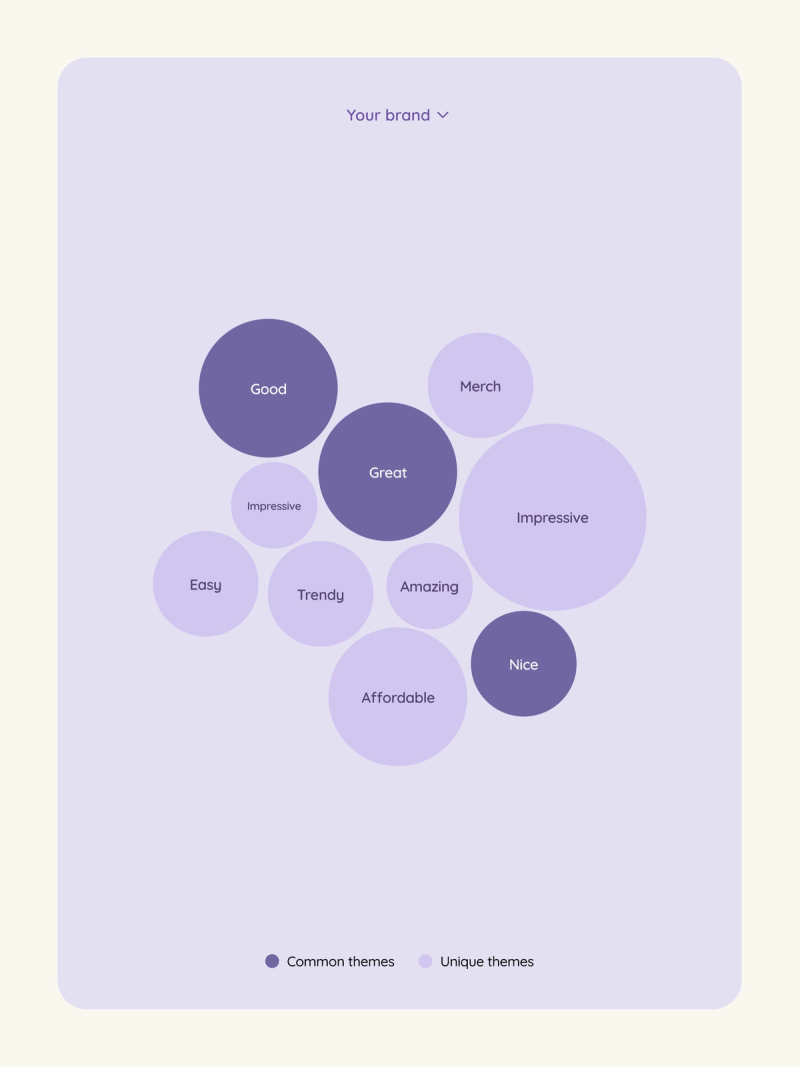
- Tracksuit data shows that Levi’s is clearly a beloved brand. In the US, 51% of people aware of the brand believe its “stylish and on trend”, the highest amongst competitors. 62% of the people aware of the brand say it’s a brand they trust, also the highest amongst competitors.
The FIFA World Cup was a major cultural and sporting event globally – even if you weren’t glued to your television, bits and pieces would undoubtedly filter through onto your social media feeds or the ad breaks of your streaming services. It was hard to escape. According to Tracksuit data, 39% of US adults say they were planning to watch it – that’s approximately 99.8 million adults. Plus, depending on your brand, it was a good way to show up where your demographic already was. Females make up 39% of the category vs 60% males. It’s also made up by younger age groups – 36% are aged 18 to 34.
With that many people tuned in, it was bound to be a marketing frenzy. We watched to see what the official sportswear and ball partner, Adidas, would do; what Coca-Cola, the official beverage partner, would come up with (and if it would be using AI, again). According to marketing research firm WARC Media, advertising spending on this year’s World Cup tournament is expected to reach $10.5 billion.
Sponsorship can be a super effective tool for brands, since it ticks off a lot of boxes when it comes to brand marketing. Alongside the obvious (awareness and positioning), it creates an association between the event and your brand, so you can borrow and leech off its worthy attributes (whether that’s coolness, credibility, aspiration, or other positive traits). This association can help with fostering deep emotional connections with your audience – tick, tick, tick. We love emotional connection.
However, when we think about which brands really stood out to us, especially amongst all the same-same types of sport advertising featuring the identical athletes over and over, we can’t help but think of Levi's.
Levi's is not an official sponsor - but they flipped that to their advantage
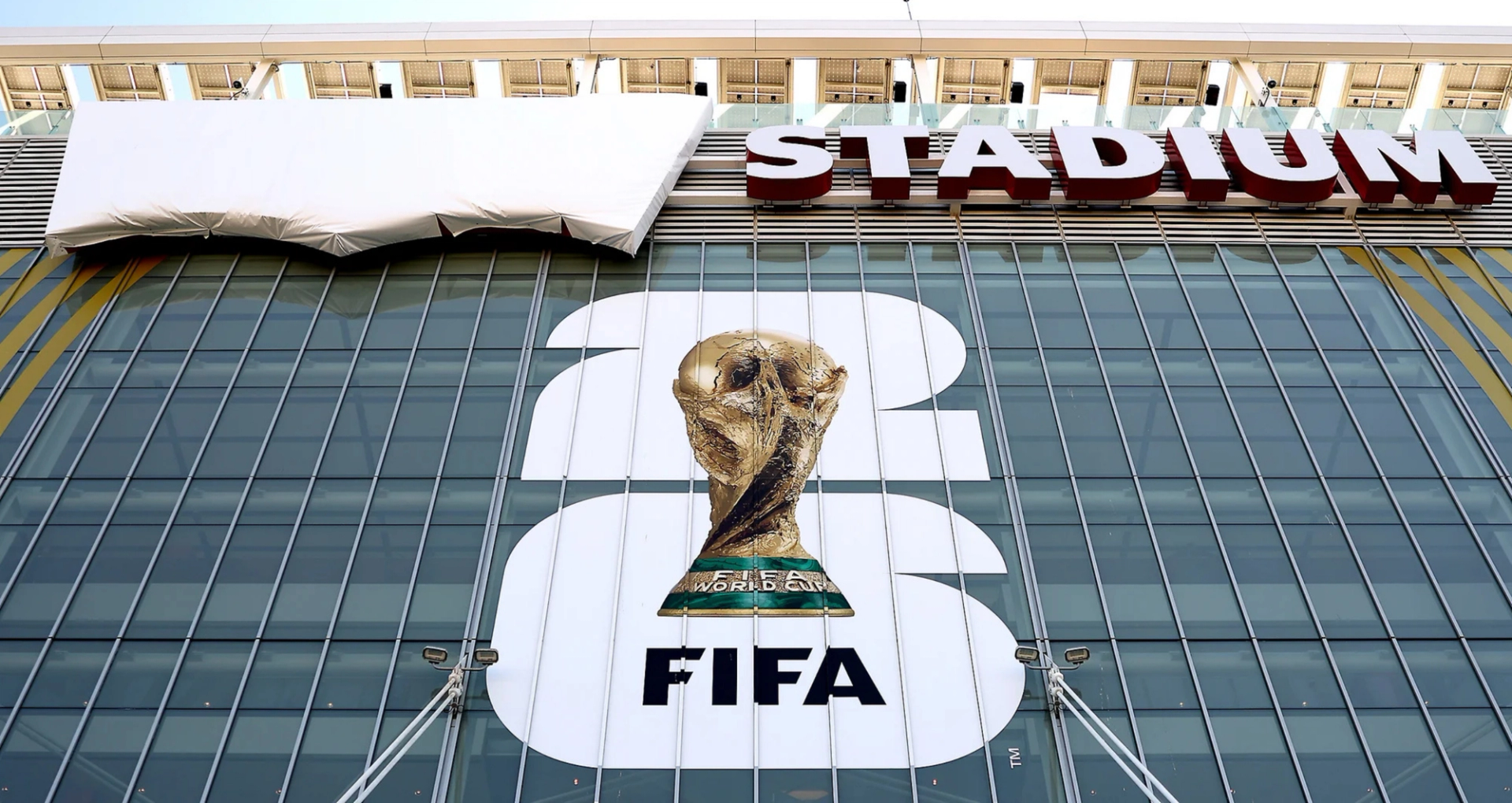
Since Levi’s was not a sponsor, the brand was forced to cover up its sign at Levi’s Stadium in Santa Clara, California. The covered logo quickly gained traction on social media because of how ridiculous it looked – sort of like an alternate-reality Batmansignal. After Levi’s saw that people were reacting to it organically, that’s when the magic happened: they leaned in, temporarily switching out their Instagram profile to a photo of the covered logo, and even releasing a limited edition T-Shirt.
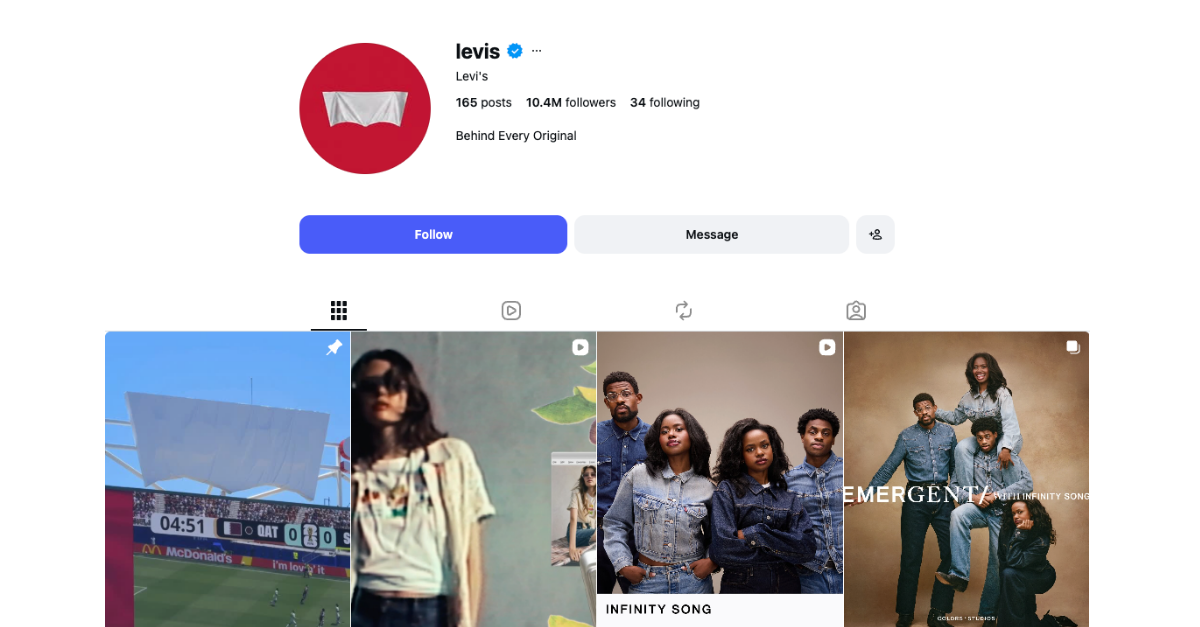
“What started as a naming rights sponsorship restriction at the Levi’s Stadium became the most commented and shared post in Levi’s history,” Kenneth Mitchell, Levi’s chief marketing officer, wrote last week. “Leaning fully into it with a profile change on our social channels sealed the deal.”
Karen Nelson-Field argues in The Attention Economy that true brand impact comes from earning active attention – and that creative speed can generate more of it that budget alone. That’s essentially what Levi’s has done; reacting to something with creative speed, and making a moment out of something that could have easily been a quick flash in the pan; just a small chuckle.
It’s clear that the reason why Levi’s was able to pull this off was because the logo is such a distinctive brand asset – something that consumers recognise instinctively, without even really thinking about it. That’s years of brand building in the making.
Tracksuit data shows that Levi’s clearly has a great brand. In the US, it has a 90% awareness. In addition, 51% of people aware of the brand believe its “stylish and on trend”, the highest amongst competitors. 62% of the people aware of the brand say it’s a brand they trust, also the highest amongst competitors. (Data: April ‘26 to June ‘26)
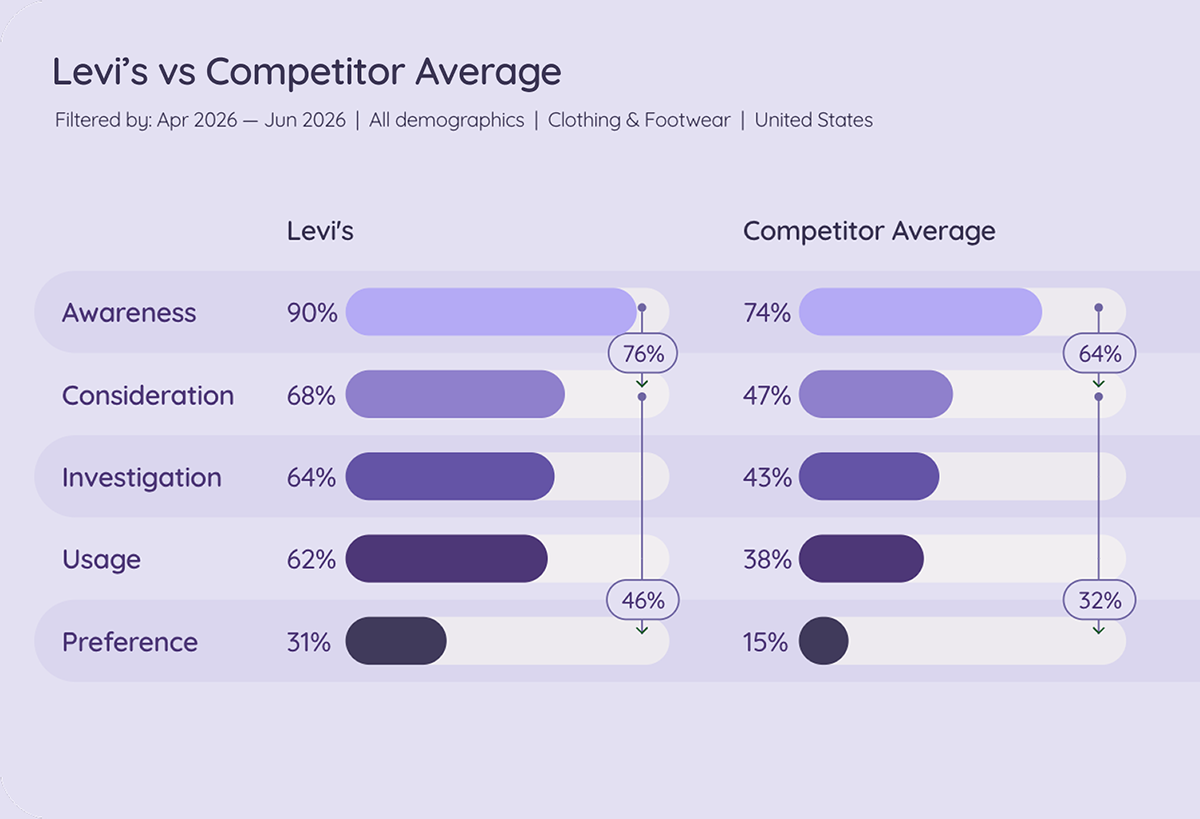
According to Meltwater, Levi’s mentions increased 44% since the start of the World Cup. Levi’s have also been having a great earnings year, posting strong earnings for the second quarter. Sales rose 8% to 1.56 billion and a net income of $87.3 million beat last year’s $67 million.
Imitation is the greatest form of flattery... 🍅
And here’s how you know it really worked: another brand quickly whipped something up in response. Heinz launched a limited-edition bottle with a blacked-out label, marketed as the “Unofficial Stadium Ketchup”.
Still have a FIFA World Cup itch to scratch? We broke down the biggest winners (and losers) of the brand sponsorship extravaganza in our latest edition of Shorts.
Drop your email below to get it straight to your inbox. And yes, there's obviously an Erling Haaland shout out.
Sign up to Shorts
A fortnightly newsletter with exclusive brand insights, useful marketing tips, and a round-up of all the stories you should know about.