8 things a room full of strategists taught me about authenticity

Last week, we hosted Funnel Club Melbourne with Tracksuit and asked:
Is strategising authenticity an oxymoron?
Which is a strategist’s way of asking: can you ever plan realness, or is overengineering authenticity the very thing that kills it?
The room was full of brand people, creatives, media thinkers and professional overthinkers, so naturally we didn’t land on one neat answer. But here are eight things I took away:
1. Everyone wants authenticity. Nobody can define it. Everyone can tell when it feels off.
Authenticity is a brief, a vibe, a founder story, a TikTok comment and, often, a polite way of saying: “Please make this less cringe.” That is why it is such a difficult word for brands. We are all fluent in spotting the fake, but much less fluent in naming what makes something feel true.
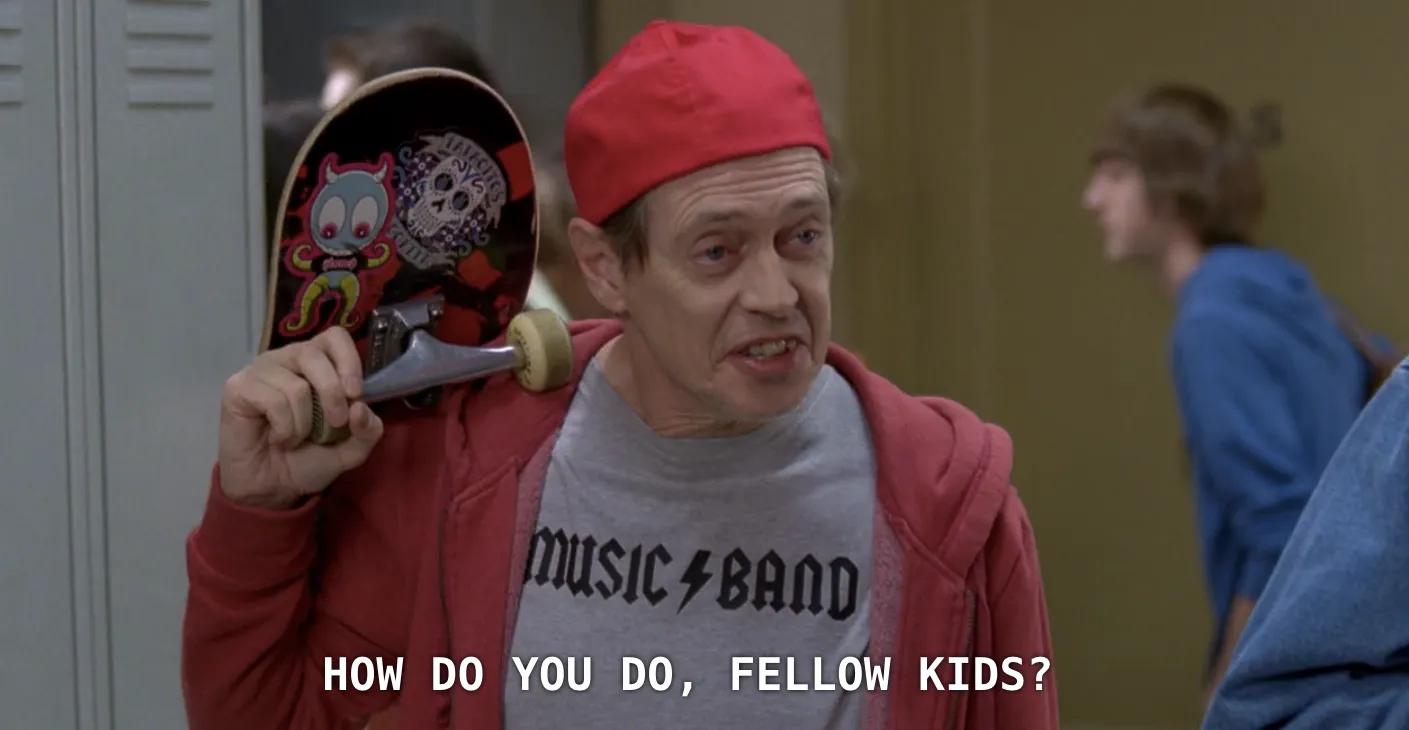
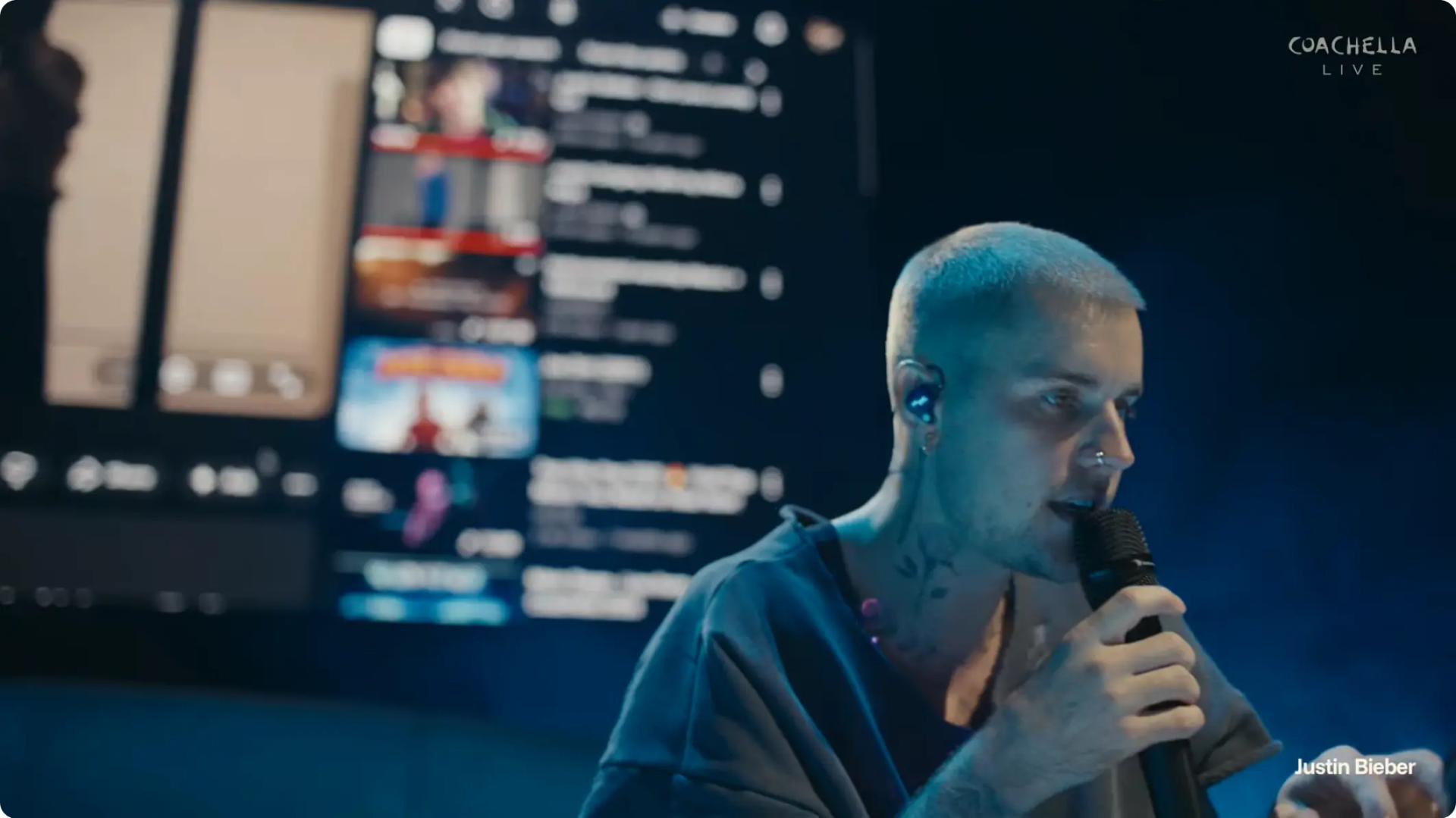
2. Bieberchella was either an authenticity masterclass or a capitalist clip fest.
Depending on which side of the room you stood on.
This was the moment the room quite literally split in half.
On one side: Justin Bieber’s Coachella set was authentic, powerful and deeply resonant.
A MacBook. A pink hoodie. Old YouTube clips. A duet with his younger self.
For Beliebers, it restaged the conditions under which they first found him: at home, online, on YouTube, probably in their own cosy hoodie.
Most comeback performances say: “look how big I am now.”
Bieberchella said: “remember where we found each other?” :,)
3. But then came the counter-argument: what if the authenticity was the media plan?
The other side had a very different read.
Bieber’s set was perfectly engineered to be clipped: short moments, nostalgic visuals, reaction fodder, fan memory as shareable asset.
Overnight, fans and social accounts flooded feeds. His catalogue surged. His merch moved. And the real winner may have been the platform sitting right there on stage: YouTube.
Was it authentic because it returned to his origin story? Or was it a 4D YouTube ad because that origin story was also the perfect growth hack?
The answer, annoyingly, might be yes.
4. Authenticity can be real and engineered at the same time.
This was the most useful tension of the night.
The fan memory may have been real. The nostalgia may have been real. The goosebumps may have been real. And the distribution mechanics may also have been extremely intentional.
That does not cancel the emotion. It complicates it.
Maybe authenticity is not about whether something was planned, but whether the plan activates something genuinely true.
5. Virality is no longer a reliable proxy for truth.
For years, we treated virality as cultural proof. If something travelled, we assumed people cared.
But now paid clippers, repost networks and seeded reactions can manufacture the appearance of public obsession.
Which leads to the deeply annoying strategist question: did culture decide this was good, or did distribution make it feel inevitable?
6. Culture will audit the exchange.
The SATISFY x adidas Circle Pit activation gave us a useful counter-case.
On paper, the idea makes sense: running as tribal, aesthetic, music-adjacent and identity-led. A desert pump track. Punk codes. Live music. Vibes.
But for tuned-in runners, hardcore fans and skate-adjacent audiences, it landed as borrowed subculture, over-produced influencer optics and thousands of Reddit threads that hurt my feelings by proxy.
The issue was not that the activation was strategic. It was that the strategy exposed the transaction.
Authenticity is not about looking underground. It is about whether the underground recognises itself in you, or recognises itself being used.

7. A brand feels authentic when it knows what it is allowed to do.
One favourite audience hot take was: “A brand feels authentic when they make stuff I wish I was involved in.”
Another was: “A brand feels authentic when it connects humans to each other.”
Different words, same idea: authenticity is not just a brand claim. It is permission, participation and proof.
8. Maybe “strategising authenticity” is not the oxymoron.
Maybe the real oxymoron is trying to be authentic without knowing what you are.
Brands that know themselves can be raw, polished, absurd, minimal, theatrical, engineered or completely unhinged.
Brands that do not know themselves just look like they are trying.
So where did we land?
Authenticity is not about being unstrategic. It is about being coherent. It is about knowing the difference between participating in culture and borrowing from it.
And it is about remembering that people do not necessarily hate the machine. They hate seeing the wrong parts of it.
These takeaways came out of Funnel Club. If you're an agency Strategist who enjoys high-level thinking and low-level snacking, don't miss the next one. Sign up for the Funnel Club mailing list here, opens in new tab to stay in the loop, or come hang out with the rest of the over-thinkers in the Strategists Anonymous WhatsApp community https://chat.whatsapp.com/Ea15YG4bekG5aJiNianCGk, opens in new tab.