- Despite Gap having higher brand awareness (78% vs AE's 73%), American Eagle converts far more efficiently down the funnel — 28% Consideration-to-Preference vs Gap's 18%, with AE at 10% Preference vs Gap's 7%.
- AE's Sweeney bet paid off in perception, not just sales. Over the past 12 months, AE meaningfully shifted brand associations — gains of 3-5pp across "innovative," "premium," "on the way up," "stands for something," and "like no other." Gap only moved the needle on one metric ("innovative," +4pp).
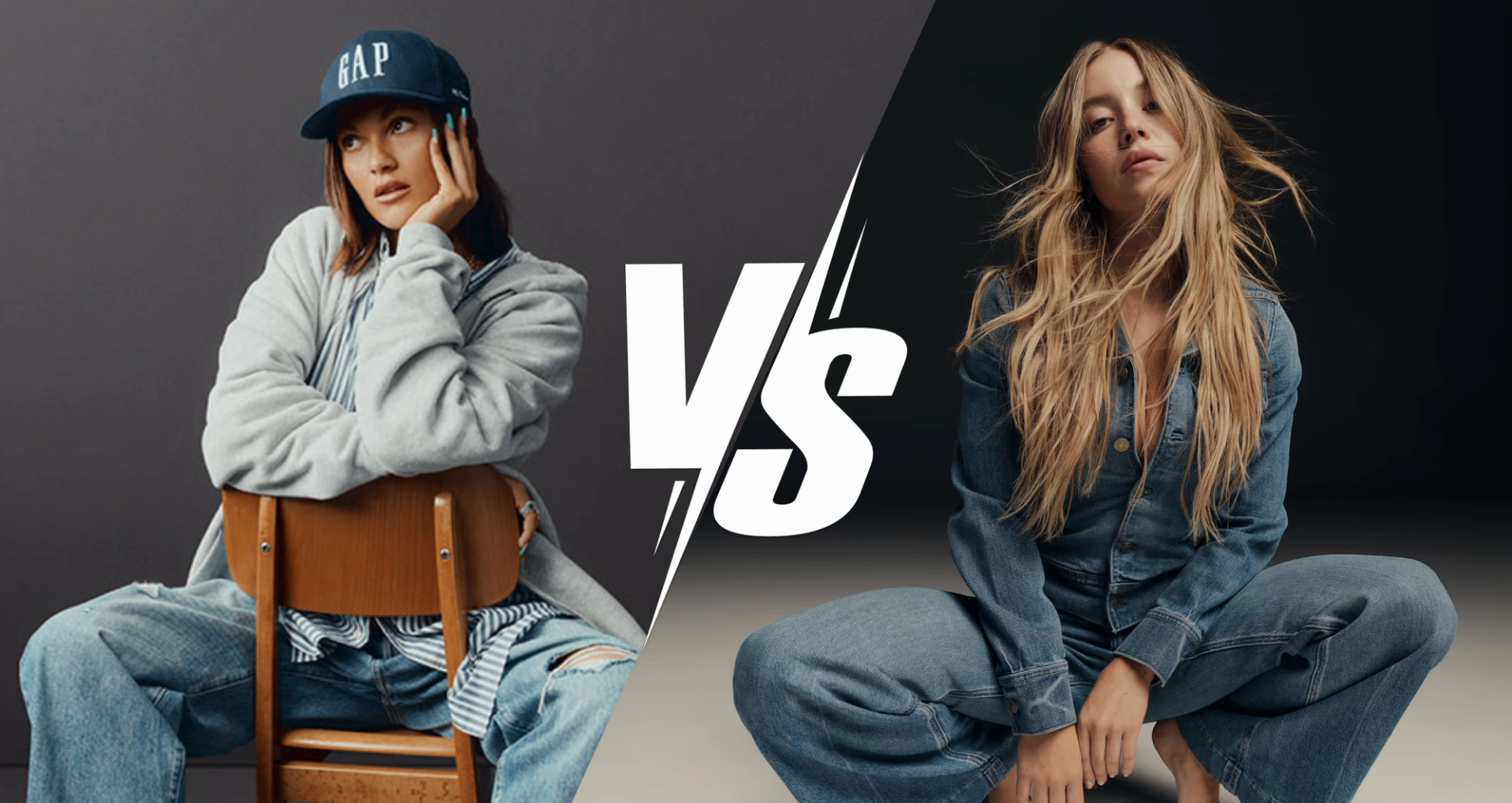
- Gap leans on nostalgia (safe, inclusive, throwback campaigns like the Milkshake ad and Hailey Bieber's "Hailey Jean"), while AE leans on celebrity star power (Sweeney, Travis Kelce, now Lamine Yamal) — and doubling down on the latter is what's driving AE's stronger brand shift.
I don’t want to stress anyone out too much, but it has, indeed, been one whole year since American Eagle’s “Sydney Sweeney Has Great Jeans” campaign was injected into the veins of the internet. You know how in The Odyssey, Helen of Troy’s face was known for launching a thousand ships? Well, Sydney Sweeney’s is responsible for launching a thousand thinkpieces. Not as grand or romantic, I guess.
Here’s a quick recap. Last year, denim brand American Eagle released a campaign featuring actress Sydney Sweeney, opens in new tab, playing on the wordplay between “jeans” and “genes”. It featured a blonde, blue-eyed Sweeney in a double denim outfit. It quickly faced backlash for promoting a certain type of beauty standard. The “genes” play also made people associate its meaning with eugenics – a very ugly, heavy word that is hard to crawl back from after it’s been tossed out into the universe.
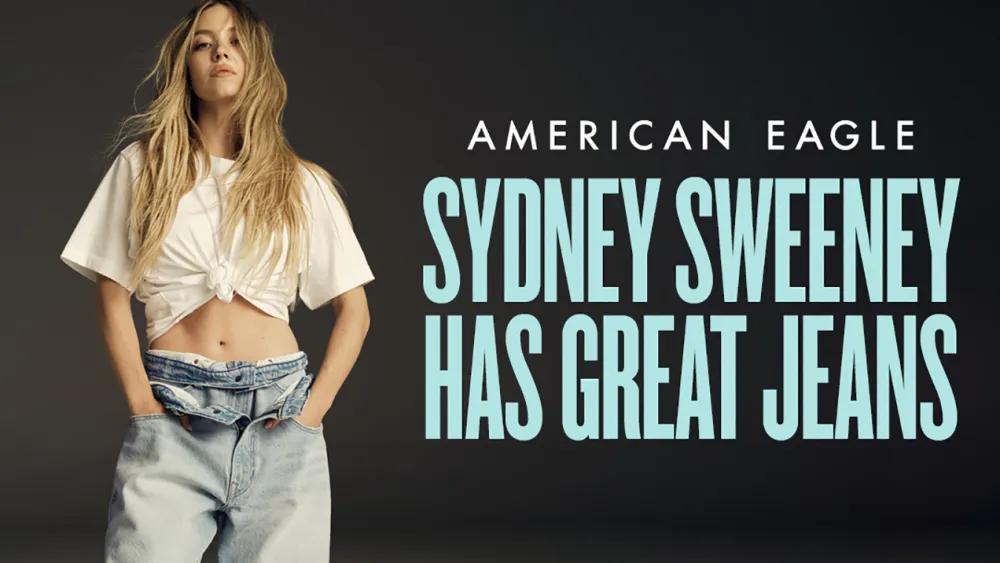
However, no matter how you feel about the ad, it’s hard to deny that it boosted American Eagle’s time in the sun, with the brand claiming that it converted into real business results. Following Sydney Sweeney and Travis Kelce’s ads with the company, they allege it drove 700,000 new customers, opens in new tab, 40 billion combined impressions, and a 2% increase in revenue year-on-year.
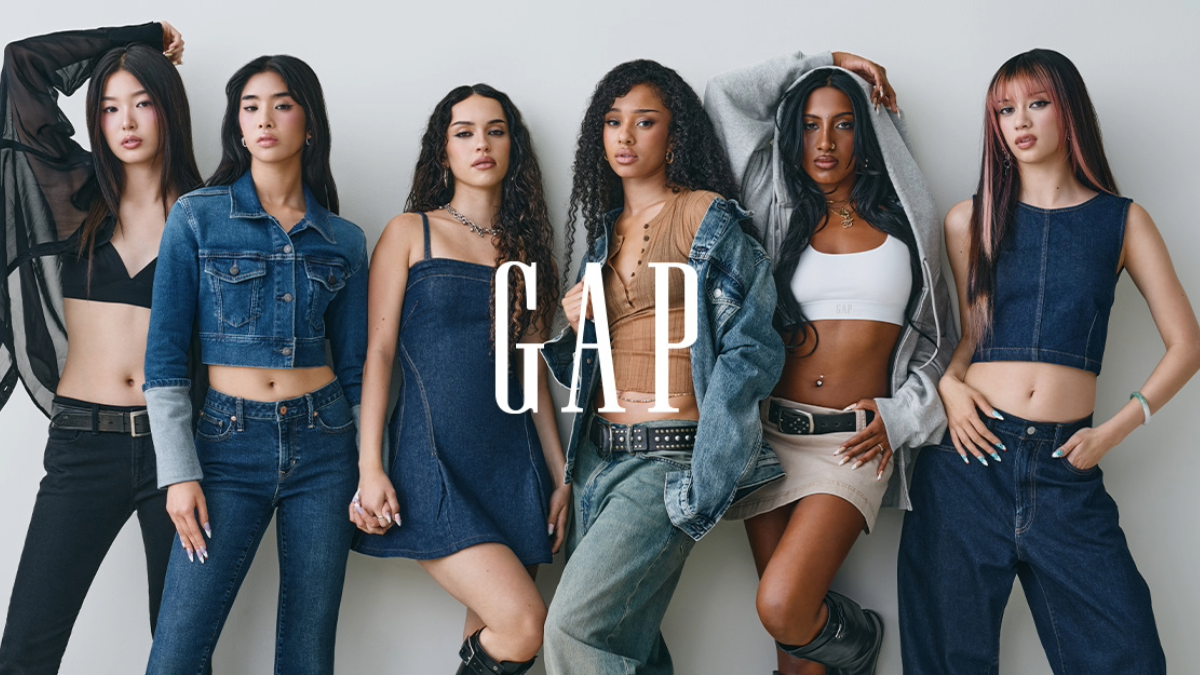
So there was that. And then, there was Gap’s swift and timely response – with its “Better in Denim” ad featuring global girl group KATSEYE dancing to Milkshake, which acted as a cultural counterpoint to the Sweeney ad due to the girl group’s diverse members. It was very well-praised at the time, and Gap credits it for an increase in sales, opens in new tab, a 7% year-on-year comparable sales growth.
But a year on from both these campaigns, what’s going on with these brands – and did the love last?
All data below is from Jan ‘26 to June ‘26, USA.
Gap has higher awareness, but American Eagle wins at the bottom of the funnel
American Eagle and Gap’s brand health is very comparable. Gap even has higher awareness – 78% compared to American Eagle’s 73%. They also have similar top-of-funnel conversion.
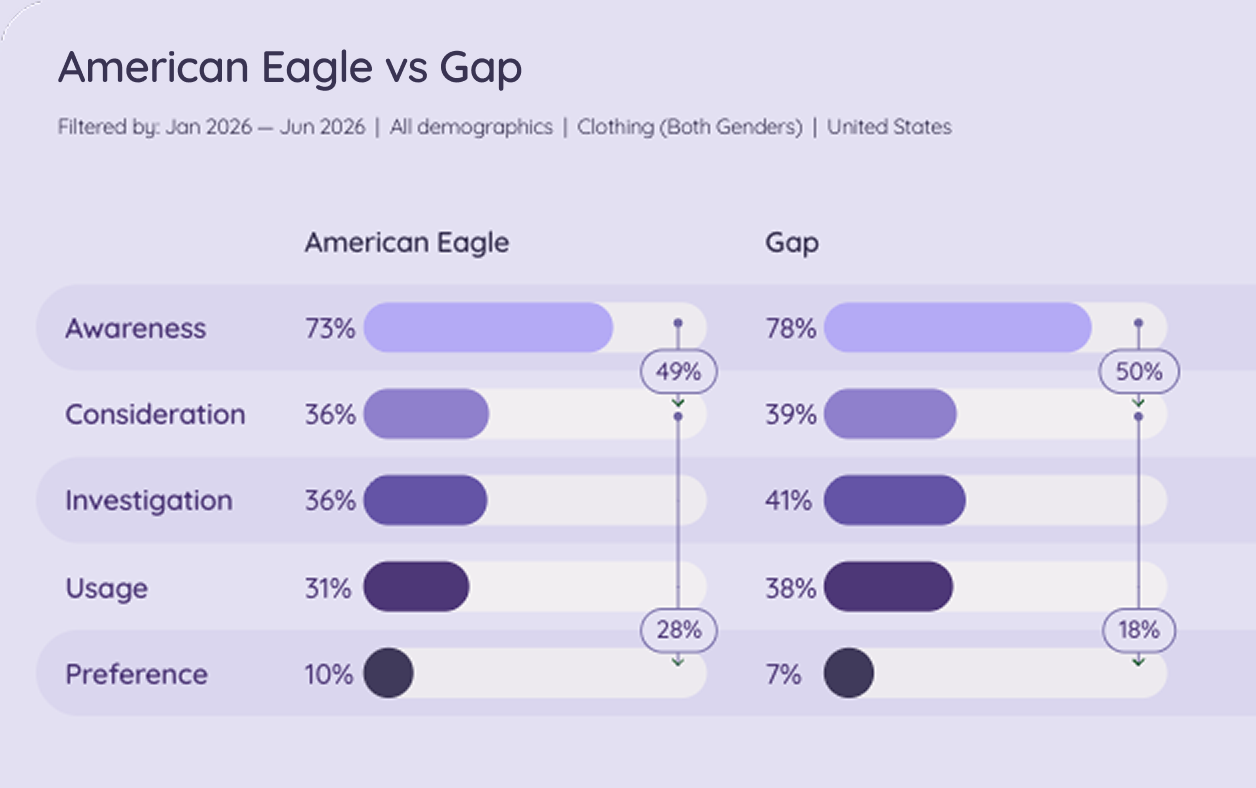
However, where things start to really diverge is in the bottom-of-funnel conversion. American Eagle converts far more efficiently than Gap at 28% from Consideration to Preference, with Preference sitting at 10%, whereas Gap only converts at 18%, with a 7% Preference.
What this means in plain English is that although Gap is working from a bigger pool of people that know their name, American Eagle is able to successfully convince more to use and prefer them.
American Eagle has also shifted brand perception in the last 12 months – a lot
Whether or not you loved or hated the Sydney Sweeney campaign, it seems to have had an accumulative effect on what people think about the brand. Alongside the original “Great Genes” ad, the brand has used Sweeney again, opens in new tab to advertise their jean shorts – this time with a bit of a softer, less provocative tone.
Let’s look at the data of the last 12 months (following the campaigns) versus the 12 months before that. Among those who consider purchasing American Eagle:
- Those that associate the brand with “Is like no other” increased 3-percentage-points from 19% to 22%.
- Those that associate the brand with “Is a premium brand” increased 4pp from 45% to 49%.
- Those that associate the brand with “Is really on the way up” increased 3pp from 21% to 24%.
- Those that associate the brand with “Is innovative” increased 5pp from 26% to 31%.
- Those that associate the brand with “Really stands for something” increased 5pp from 25% to 30%.
Basically, the bottom line: In the last 12 months, American Eagle was able to meaningfully shift how consumers think about the brand – it wasn’t just noise. It seems people have responded to the idea that American Eagle are actually saying something (“standing on business ten toes down” is how someone on Love Island UK might say it).
In comparison, Gap only shifted one statement in the same timeframe: those that associate the brand with “Is innovative” increased 4pp from 22% to 26%.
How did this happen? Let’s look at the brand playbooks…
Gap leans into nostalgia
If I had to sum Gap’s marketing in one word it would be “nostalgia”. All their brand campaigns (and there’s been a few) have a sense of it threaded through: whether it’s the use of ‘Milkshake’, or the new Hailey Bieber ‘Hailey Jean, opens in new tab’, which is nostalgia personified. I mean, the ad opens up on a CD player – if you remember those – features The Cranberries, and takes us through Gap’s greatest advertising hits.
As we know, nostalgia can be powerful, and it makes sense for Gap, considering they’re trying to capture an era when their brand came up on top. But it’s also extremely safe – inoffensive and inclusive, the type of marketing that is hard to hate.
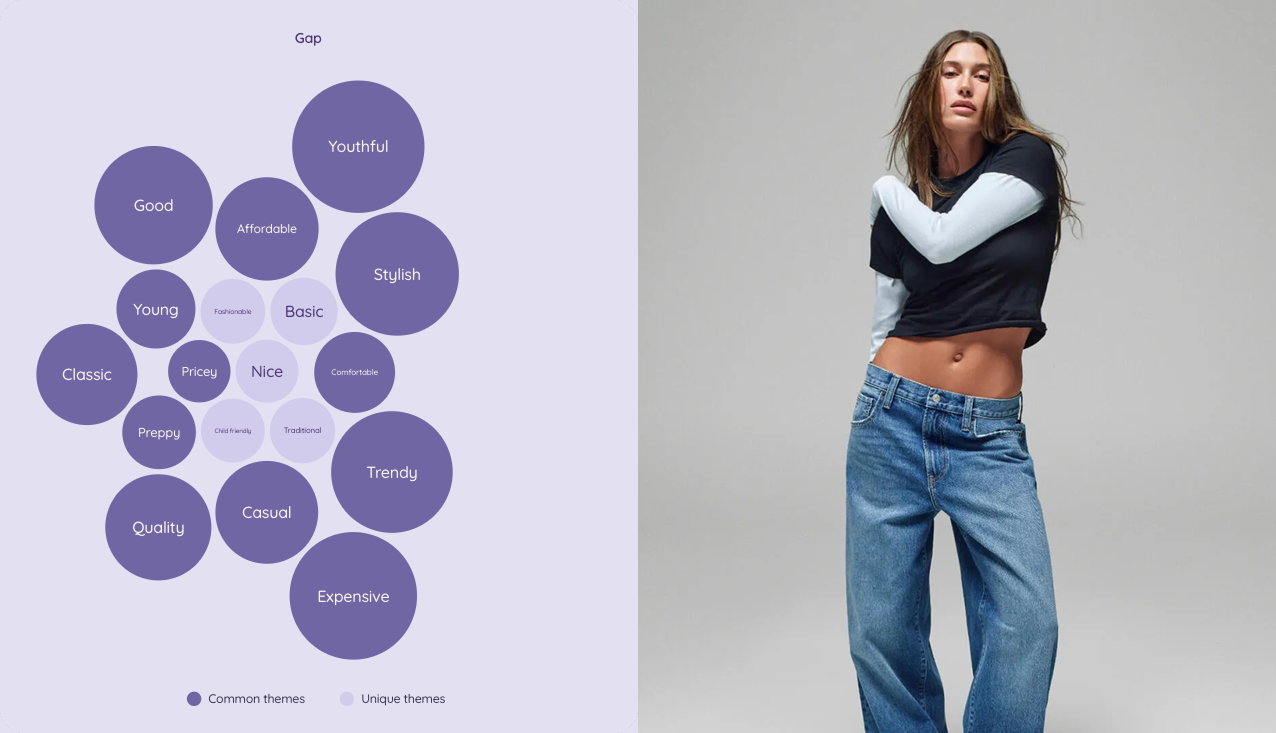
As a result, Gap’s unique themes in our data include things like “traditional”, “fashionable” and “basic”.
While American Eagle doubled down on Sydney Sweeney’s star power
American Eagle, on the other hand, I’d sum up with the word “celebrity”, seeing as they’ve banked hard on the star power of Sweeney and Travis Kelce, rather than a specific theme it wants to evoke (such as nostalgia) or diversifying talent too much (although they did just sign on football star Lamine Yamal, opens in new tab). But, obviously, by some measures, it worked. By not diverging from its main platform, American Eagle’s brand has changed, positively according to our data, in consumers minds.
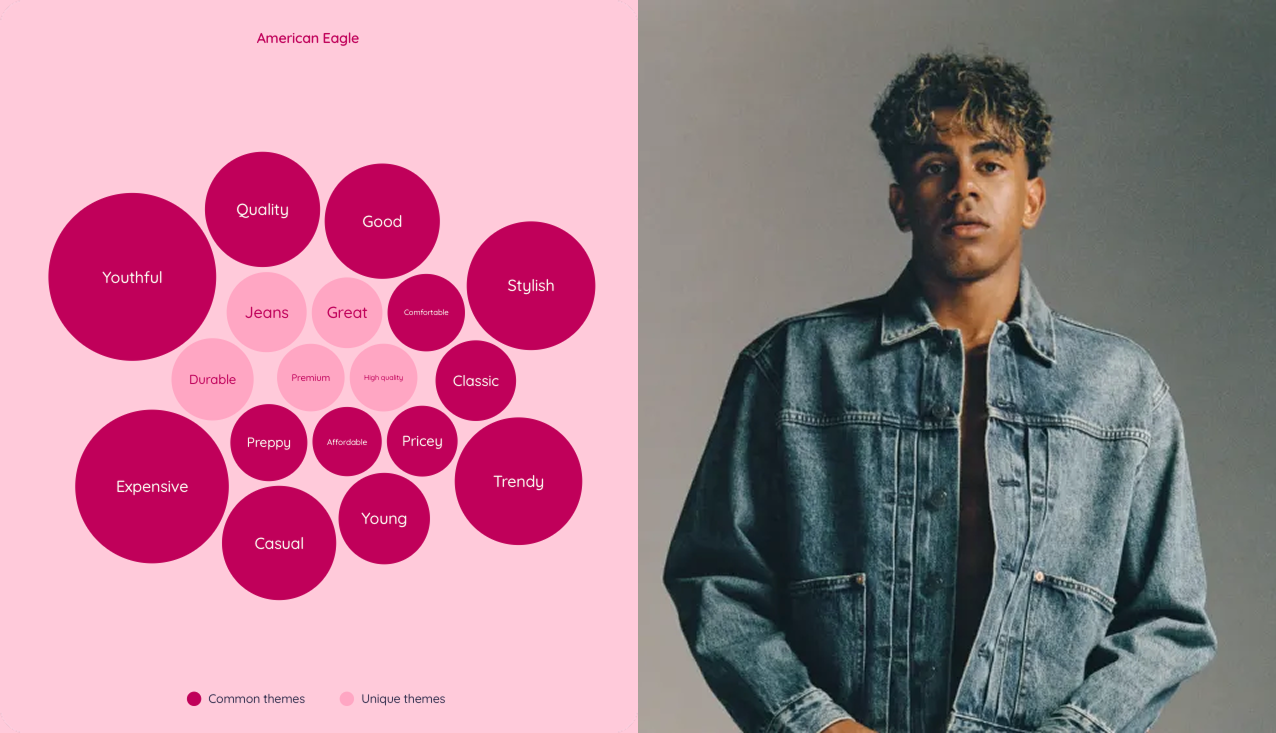
American Eagle’s unique themes in our data include, “Premium”, “High quality” and, of course, “Jeans”.
American Eagle’s CMO Craig Brommers is quoted as saying, “Brand is probably the first and most important tool that we have to compete effectively against Shein or Amazon or Walmart or whoever it might be, and when you know that brand is one of your most important assets, you have to continue to nourish [it].”
Then about Sweeney, he said: “Sydney has shown that there’s not a red carpet, there’s not a premiere, there’s not a cultural event that she doesn’t stand out at, and we want our jeans to also play that role of being ok to dress down in a casual situation but also dress up on a more social occasion,” Brommers said.
Essentially, American Eagle doubled down on riding the Sydney Sweeney wave, hoping her cultural cut-through acts as enough of a disruption so they can reap the benefits.
Want more in-depth brand breakdowns just like this one, delivered straight to your inbox? Drop your email below and we’ll send you an update on all things brand, backed by data.
Sign up to Shorts
A fortnightly newsletter with exclusive brand insights, useful marketing tips, and a round-up of all the stories you should know about.